
For owners who manage their own property
Six practical modules covering everything between “I have an empty unit” and “I have a reliable tenant, clean records and a maintenance plan”. Written for owners of one to a dozen units who want professional standards without professional fees.
Six modules
Work through the modules once when you set up a property, then return to Modules 05 and 06 whenever something changes. Each one links to a checklist you can print and keep in the unit folder.
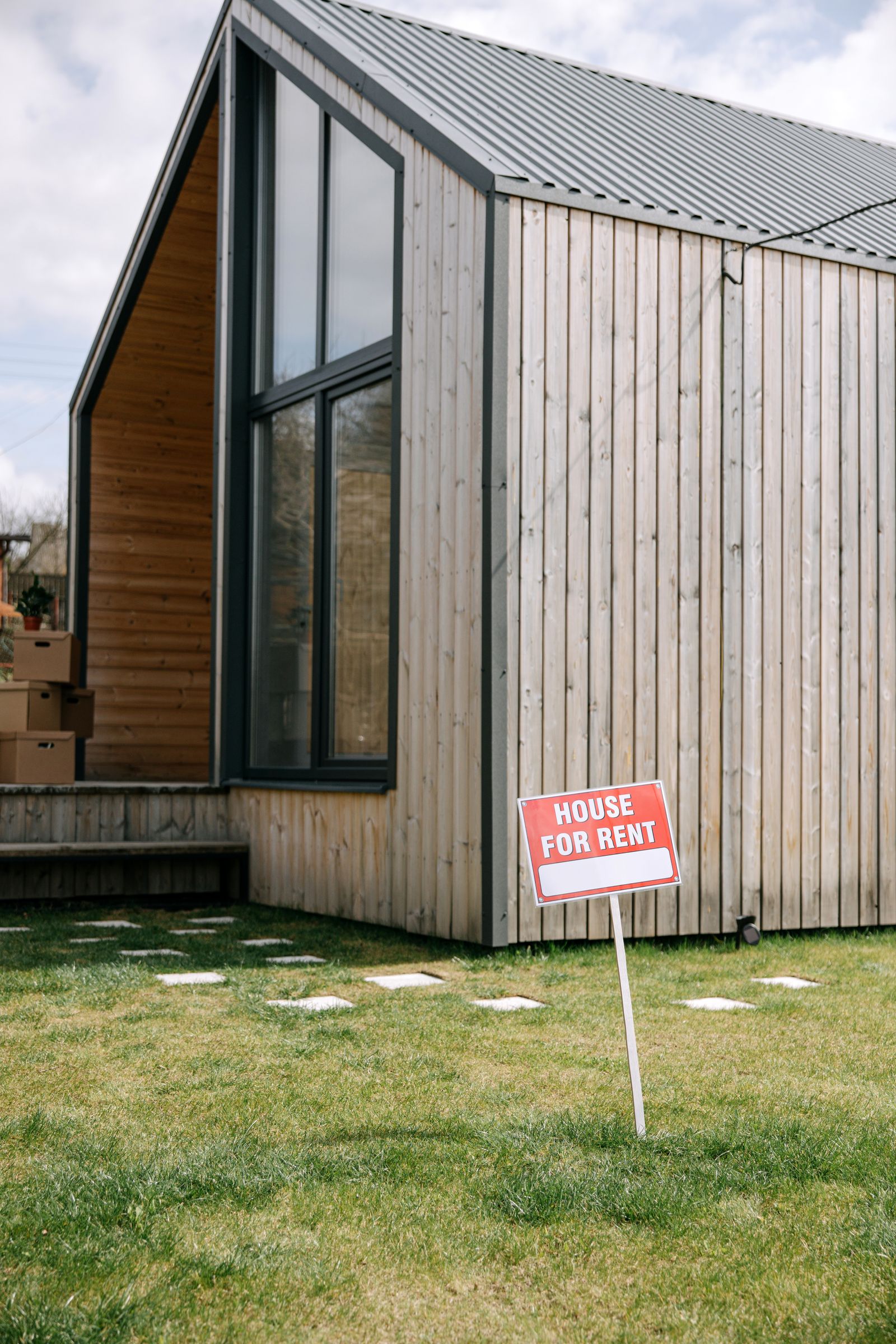
Before advertising, make the unit safe, clean and simple to maintain. Fix leaks and electrical faults, service fans and air conditioners, repaint scuffed walls in a neutral colour and replace worn fittings with durable ones. Photograph everything: these images become your marketing and your move-in condition record.
Price from evidence, not hope. Compare similar units nearby by size, floor, age, parking and services included. A slightly lower rent that fills the unit in two weeks often earns more over a year than a higher rent that leaves it empty for two months.
Use the same written criteria for every applicant: identity, income or employment confirmation, references from a previous landlord and a conversation about how they will use the home. Consistent, documented screening is both fairer and safer.
Your lease should cover rent, due date and payment method, the security deposit and how it is returned, the term and notice periods, who repairs what, rules on subletting, pets and alterations, and how disputes are handled. Attach a signed inventory with photographs.
Split work into routine (seasonal servicing), responsive (repairs reported by the tenant) and capital (roof, plumbing, rewiring every several years). Agree a response time for urgent issues and keep a list of trusted tradespeople.
One folder per unit: lease, inventory, rent ledger, receipts, repair invoices, inspection notes and all written communication. Good records make tax time easy and settle most disagreements before they become disputes.
Rent, deposits and money
Most landlord–tenant friction is about money, and most of it is avoidable with a simple system agreed at the start.
One due date, one method. Choose a fixed due date and a traceable payment method such as bank transfer or mobile banking. Avoid cash where possible; where it cannot be avoided, issue a dated, signed receipt every time.
A rent ledger for every unit. Record the date, amount, period covered and method for every payment. A simple spreadsheet is enough.
Treat the deposit as the tenant’s money. Record it separately, list in the lease what it can be used for, and return it promptly at move-out with a written breakdown of any deductions supported by photographs.
Handle late rent with a process, not a mood. A friendly reminder the day after the due date, a written notice after a set number of days, then a conversation. Most tenants respond well to clarity.
Accepting partial payments without writing down what remains owed. Months later, nobody agrees on the balance.
Maintenance calendar
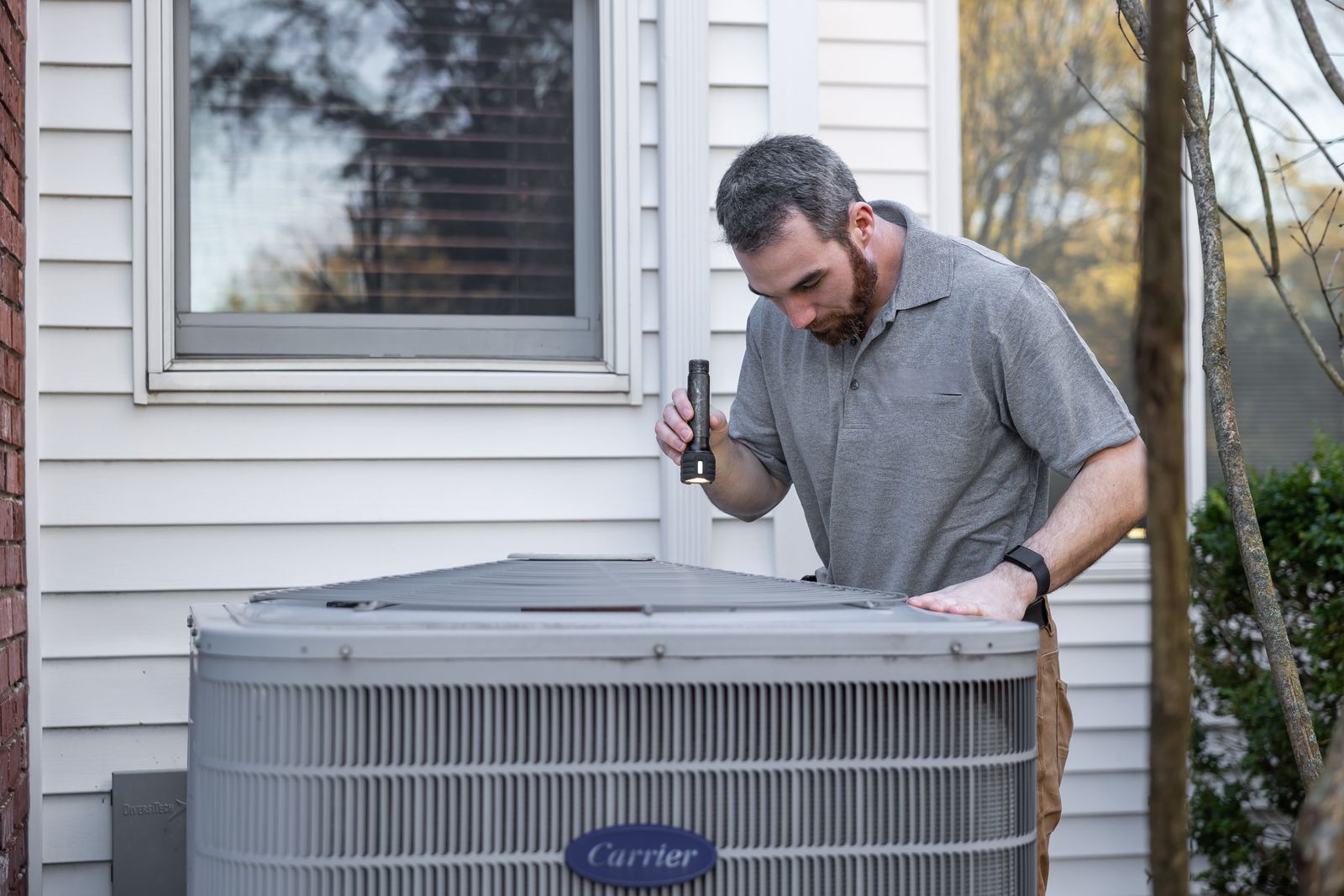
Scheduled maintenance is cheaper, quieter and kinder to tenants than emergency repairs. Adapt this calendar to your climate and building, then put the dates in your phone.
A fair comparison
There is no single right answer. It depends on how many units you have, how close you live, how much time you have and how comfortable you are with difficult conversations. Use the tabs to compare honestly.

Works well when: you own one to a few units, live nearby, can respond to urgent repairs within a day and are comfortable keeping records.
The cost is time and availability — including evenings, holidays and the occasional emergency call.
Works well when: you live far away, own several units, or simply value your time more than the fee.
The cost is the fee and less direct control. Read the management agreement carefully: what is included, how repairs are approved and how you can end the arrangement.
When things change
Every tenancy ends eventually. A calm, documented process protects your relationship with a good tenant and your position with a difficult one.
Follow the notice period in your lease exactly and always give or request notice in writing. Confirm the move-out date, the time of the final inspection and how the deposit will be returned.
Walk through with the tenant using the original inventory and photographs. Distinguish normal wear and tear — faded paint, minor scuffs — from damage beyond normal use. Agree and sign the findings on the spot where possible.
Return the deposit promptly with a written breakdown. Deductions should be specific, reasonable and supported by photographs and invoices or quotations.
Most disagreements settle with a calm conversation and the records in front of both sides. If not, put your position in writing, propose a fair resolution and seek qualified legal advice before taking further action. Never change locks, remove belongings or cut utilities to force a tenant out.
Book cleaning and minor repairs for the days immediately after move-out, refresh your photographs, and start advertising before the unit is empty if the outgoing tenant agrees to viewings.