
The Inletin Home Buying Guide · reviewed November 2026
Buying a home is a chain of smaller decisions: how much you can carry, where you can live, which building you can trust, which papers prove the seller can sell. Get the order wrong and every later step becomes harder. This guide walks the chain one link at a time, in eight chapters you can read straight through or dip into when you need them.

Your budget is not the largest loan a lender will approve. It is the monthly cost you can carry through an ordinary bad year — a job change, a medical bill, a repair — without falling behind. Start there and work backwards to a price.
Build a full purchase cost sheet. List the property price, then every cost that comes with it: transfer and registration charges, stamp or legal fees, the lawyer or deed writer, utility connection or transfer fees, society or building association charges, moving, immediate repairs, basic furnishing and appliances. Many buyers find these add a significant share on top of the price, and they are usually payable in cash.
Separate your three pots of money. The down payment, the transaction costs and an emergency reserve should never be the same money. A common working rule is to keep at least six months of essential household expenses untouched after the purchase is complete.
Stress-test the monthly payment. If your loan has a variable rate, calculate the instalment at a rate two or three points higher than today. If that number would break your budget, the price is too high — however attractive the property.
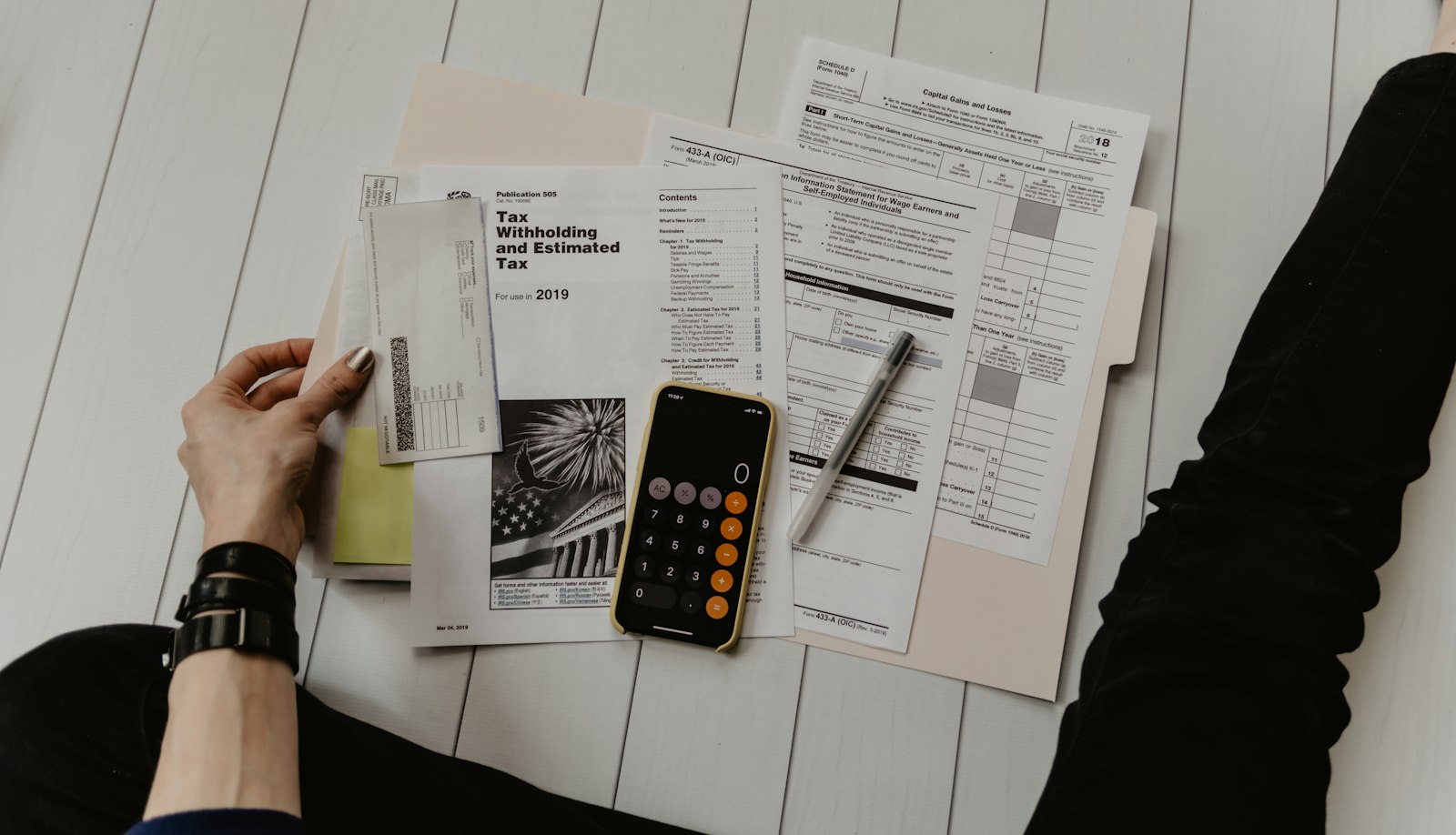
Financing shapes everything that follows: the price range you can view, how quickly you can commit and how much negotiating power you have. Sort it out before you fall in love with a property.
Compare offers on total cost. A lower instalment over a longer term can cost far more over the life of the loan. Ask every lender for the full repayment schedule, processing fees, valuation and legal charges, insurance requirements and the penalty for early repayment.
Know what pre-approval means. A pre-approval or sanction letter tells you how much a lender is willing to consider based on your income and documents. It is usually conditional on the property itself passing the lender’s valuation and legal checks — so it is not a guarantee.
Prepare your documents early. Income proof, tax records, bank statements, identity documents and details of existing loans are standard. Gaps or inconsistencies in these papers are the most common reason for delay.
Never sign a purchase agreement with a fixed payment deadline until your financing is confirmed in writing. If the loan falls through, you could lose your advance payment.
Most regret about a home purchase is not about the home — it is about the daily life around it. Before viewing anything, write down what your household actually needs.
Map your daily routes. Note travel time to work, school, family and healthcare at the hours you actually travel. A short distance can be a long journey.
Decide between new and resale. A new building offers modern construction and fewer immediate repairs, but delivery dates can slip and finishing quality varies. A resale home lets you see exactly what you are buying, including the neighbours and the building’s management, but may need updating.
Look at the building, not just the unit. In an apartment, the shared parts matter as much as your own walls: water supply and storage, lifts, generator or backup power, parking, fire safety, drainage, and whether there is a functioning owners’ association with a maintenance fund.
Rank your must-haves. Separate non-negotiables (number of bedrooms, floor level for an elderly parent) from preferences (balcony, view). It keeps you honest during viewings.

A viewing is not a tour; it is fact-finding. Use the same routine at every property so you can compare them fairly afterwards.
Go in daylight, then go back. Visit once during the day to judge light, damp and finishes, and once in the evening or at a weekend to judge noise, parking and how the area feels.
Test what you can. Run taps and check pressure and drainage, flush toilets, switch on lights and fans, open and close every window and door, and look inside cupboards for damp marks. Check the ceiling below bathrooms and the wall behind the kitchen sink.
Look for the expensive problems. Cracks wider than a hairline, especially diagonal ones near windows and doors; persistent damp or fresh paint over one patch; signs of roof or terrace leakage; old, mixed or exposed wiring; and any extension or partition that looks added after construction.
Bring a professional for the shortlist. For the one or two properties you are serious about, a civil engineer or qualified home inspector can assess structure, services and building quality. The fee is small compared to one hidden repair.
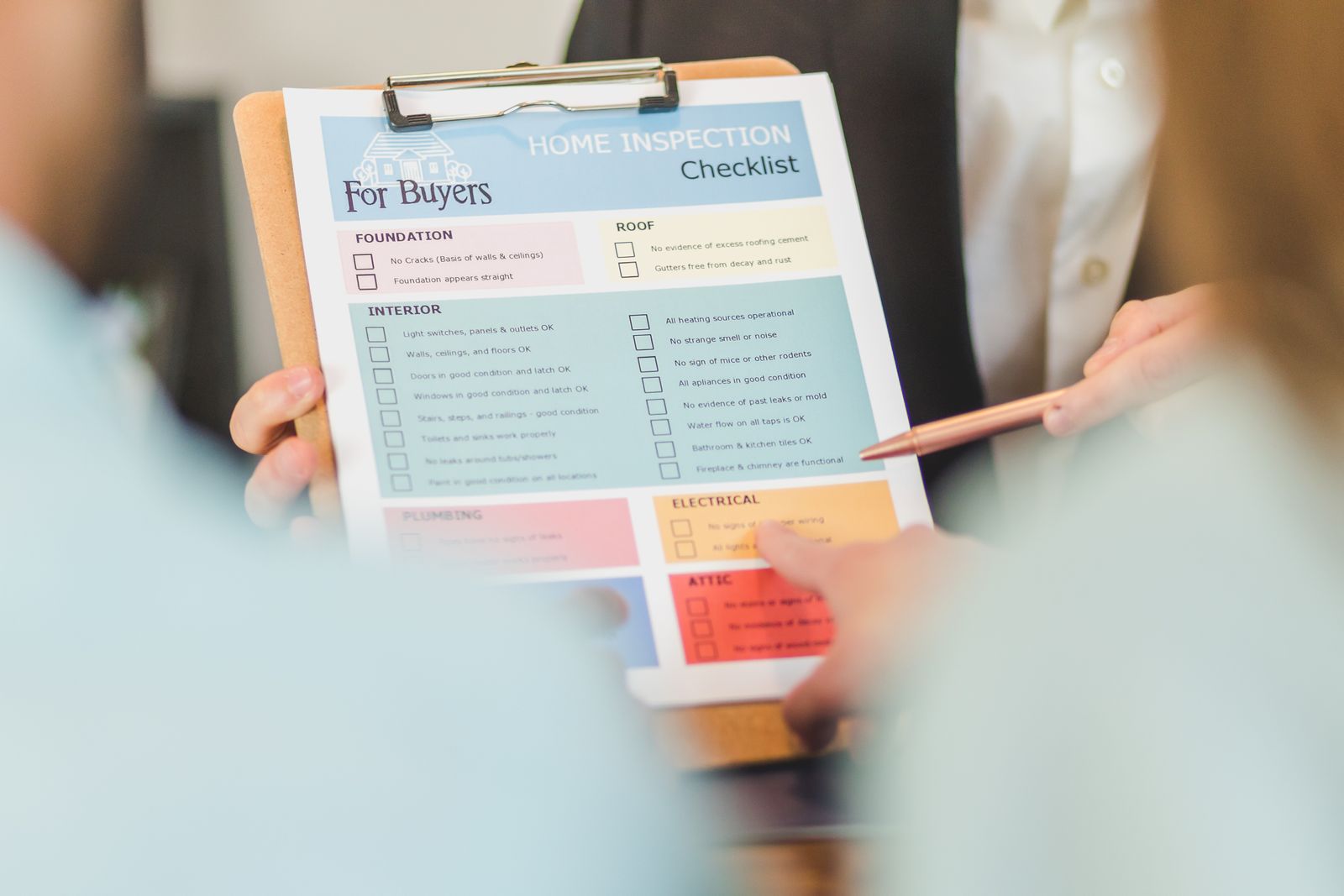
Our printable viewing and inspection checklists cover more than forty points, room by room, so nothing depends on memory.
This is the chapter that protects you from the most serious losses. The aim is simple: confirm that the person selling has the clear legal right to sell, and that nothing attached to the property will follow you after you buy it.
Ask for the full document set early. Typically this includes the title or ownership deed and the chain of previous deeds, current land records, tax and utility payment receipts, the approved building plan, and for apartments the developer’s agreements and allotment papers. Requirements vary, so ask a qualified lawyer which documents apply to your property.
Check the names, the numbers and the dates. Names on every document should match the seller’s identity documents. Plot, holding or flat numbers and measurements should be consistent across all papers. Unexplained gaps in the chain of ownership need an explanation in writing.
Search for anything attached to the property. Existing mortgages or loans, pending disputes, unpaid taxes, inheritance claims from other family members, or deviations from the approved plan can all become your problem after purchase.
Use a lawyer for the final opinion. Our guidance helps you ask the right questions; a qualified property lawyer should give the formal opinion before you pay.

“Pay a small token now to hold it” is how many problems begin. If the documents are not ready to be examined, the property is not ready to be paid for.
Good negotiation is mostly preparation. Know what similar homes have actually sold for, what this property needs, and your own walk-away number before the first conversation.
Anchor on facts. Recent comparable sales, the cost of repairs your inspection found, and how long the property has been on the market are legitimate reasons for a lower offer. Vague claims are not.
Negotiate the terms, not only the price. Payment schedule, handover date, which fittings stay, who pays which fees and what happens if documents are delayed are all negotiable — and often worth more than a small discount.
Put every condition in writing. An offer should state the price, payment stages, the documents the seller must provide, your financing and inspection conditions, and the date by which each step must happen.

The final stage moves quickly and involves large sums. Slow it down enough to make sure every payment is matched by a document and every promise by a signature.
Sequence payments to documents. Each instalment should be tied to a defined step, such as signing the agreement, registration or handover. Pay through traceable bank transfers wherever possible and get a receipt that names the property, the payer and the purpose of every payment.
Read the final deed before the appointment. Ask for the draft in advance. Check names, measurements, boundaries, price and any special conditions. Correcting an error later is slow and expensive.
Walk through before you accept the keys. Confirm agreed repairs are done and fittings are present, record meter readings, collect all keys, manuals and warranties, and photograph every room. Get utility accounts and association records transferred to your name.

The first three months set the habits that keep a home in good condition and its paperwork in order.
Create a home file. Keep originals of every deed and receipt in a safe place, with scanned copies stored separately. Add warranties, manuals and contact details for tradespeople as you go.
Record a condition baseline. Photograph walls, ceilings, wet areas and the electrical board on day one. If a crack or leak appears later, you will know exactly when and how it changed.
Arrange cover and safety. Consider property insurance, test smoke detection if installed, label the electrical board, and find the main water and power shut-offs before you ever need them.
Plan maintenance by season. Clean water tanks, service air conditioners and clear roof drains before the wet season. Small, scheduled jobs cost far less than emergency repairs.

Thinking of renting the property out later? Continue with our Property Management Guide.
A Buyer Consultation gives you an hour with an adviser to test your budget, shortlist and documents against this guide — and a written list of next steps afterwards.